
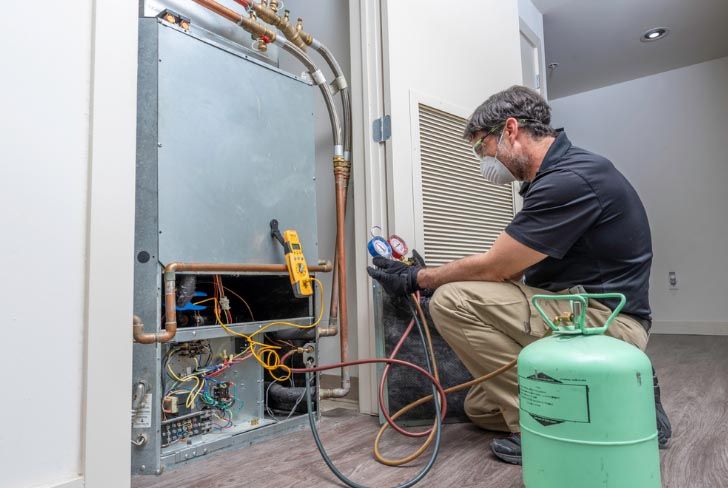
Commercial refrigeration is essential for businesses that store food, beverages, and other temperature-sensitive products. Restaurants, grocery stores, convenience stores, and commercial kitchens rely on refrigeration equipment to keep products at the right temperature and support daily operations.
When a refrigeration system starts having problems, the warning signs may seem minor at first. A cooler may take longer to reach its set temperature, a freezer may develop excess frost, or the equipment may begin making unusual noises. Ignoring these signs can lead to spoiled inventory, higher energy costs, and unexpected downtime.
Recognizing refrigeration problems early helps business owners decide when to arrange professional service. It can also reduce the risk of a small equipment issue becoming a major disruption.
Here are seven commercial refrigeration problems to watch for, what may cause them, and when to contact a professional.
1. The Refrigeration Unit Is Not Maintaining the Correct Temperature
Temperature changes are among the most important warning signs in a commercial refrigeration system. If a cooler or freezer cannot maintain its intended temperature, stored products may become unsafe or lose quality.
A temperature problem does not always mean the refrigeration unit has failed completely. Several components and operating conditions can affect its performance.
Common Causes of Temperature Problems
Possible causes include:
- Dirty condenser coils that restrict heat transfer
- Blocked airflow inside the unit
- Worn or damaged door gaskets
- A faulty thermostat or temperature sensor
- Refrigerant-related problems
- A failing compressor or other mechanical component
- Frequent door openings or excessive product loading
For example, a walk-in cooler may struggle to maintain its temperature if warm air enters through a damaged door gasket. A freezer may experience similar problems if products block the evaporator’s airflow.
The actual cause needs to be identified before repairs can be recommended.
What Should You Do?
Check the displayed temperature and compare it with a reliable thermometer when appropriate. Keep a record of temperature readings so you can determine whether the problem is occasional or persistent.
Also, check that doors close completely and that stored products do not block vents. Do not repeatedly adjust the thermostat to compensate for a problem you cannot identify.
If the unit continues to operate outside its required temperature range, arrange professional refrigeration service. Move temperature-sensitive products to suitable alternative storage when necessary, and follow applicable food-safety procedures.
2. You Notice Unusual Noises or Excessive Vibration
Commercial refrigeration equipment normally produces some operating sounds. Fans, compressors, and other components make noise as the system runs.
However, a sudden change in sound may indicate a developing problem. Grinding, rattling, buzzing, or unusually loud humming should not be ignored, especially when accompanied by poor cooling.
What Different Noises May Indicate
Rattling: Loose panels, mounting hardware, or components may be vibrating during operation.
Grinding: A fan motor or another moving component may have a mechanical problem.
Buzzing: Electrical components, motors, or other parts may require inspection.
Repeated clicking: The unit may be attempting to start or cycle in an unusual way.
Excessive vibration: The equipment may be poorly supported, or a motor or compressor component may not be operating normally.
These sounds are clues, not definitive diagnoses. Similar noises can have different causes depending on the equipment type.
How to Respond
First, note when the noise occurs. Does it happen during startup, throughout the cooling cycle, or only when a fan is running?
Keep the surrounding area clear and check for obvious external obstructions without removing equipment covers. If the noise is severe, the unit is overheating, or there are signs of an electrical problem, stop using the equipment if it is safe to do so and contact a qualified technician.
Early inspection may help identify a worn component before it causes further damage or interrupts business operations.
3. Frost or Ice Is Building Up Inside the Unit
Some frost can occur in freezers during normal operation, but excessive or recurring ice buildup may indicate a problem.
Heavy frost on the evaporator, around vents, or near the door can interfere with airflow and reduce cooling performance. The unit may then run longer while struggling to maintain its target temperature.
Why Does Ice Build Up?
Common causes include:
- Damaged door seals that allow humid air inside
- Doors left open for extended periods
- Frequent opening in humid environments
- A blocked drain
- A malfunctioning defrost system
- Restricted airflow around the evaporator
- Incorrect operation or settings
For instance, a walk-in freezer used throughout a busy shift may experience moisture entering whenever the door is opened. If the door does not seal properly, the added moisture can contribute to frost buildup.
A defrost problem can also cause ice to accumulate even when staff use the equipment correctly.
How to Prevent Excess Frost
Make sure doors close fully and inspect accessible gaskets for tears or gaps. Avoid leaving doors open longer than necessary, and keep stored products arranged so that airflow is not blocked.
If the unit develops thick ice repeatedly, do not assume that manual defrosting will solve the underlying issue. The defrost system, drainage, seals, and airflow may need to be checked.
Avoid chipping ice with sharp tools, which can damage refrigeration components. Follow the manufacturer’s instructions for defrosting and contact a technician if the problem continues.
4. Water Is Leaking Around the Refrigeration Equipment
Water around a commercial refrigerator or freezer can result from several different issues. Some are relatively simple, while others may indicate a drainage or defrost problem.
A small puddle should not automatically be treated as harmless. Water can create a slip hazard for employees and customers, damage nearby materials, and affect the operation of equipment.
Possible Sources of a Leak
Water may come from:
- A blocked or damaged condensate drain
- A defrost drain that is not working correctly
- An overflowing drain pan
- Excessive condensation
- A damaged water supply connection on equipment that uses one
- Ice melting because of a temperature or defrost issue
The location of the water can provide useful clues. For example, water near the front of a unit may have a different cause from water collecting beneath a walk-in freezer.
However, the source is not always obvious from the puddle itself.
What Businesses Should Do
Keep people away from wet areas and address the immediate slip hazard. If water is near electrical equipment or wiring, avoid contact and seek qualified assistance.
Check for obvious drainage obstructions only where they are safely accessible. Do not remove panels or attempt repairs that require access to electrical or refrigeration components.
If the leak returns after the visible water is cleaned up, arrange an inspection. Finding and correcting the source is more effective than repeatedly dealing with the same puddle.
5. The Refrigeration Unit Runs Constantly
Commercial refrigeration systems often operate for long periods, particularly in busy kitchens and storage facilities. Continuous operation is not automatically a sign of failure.
However, if a unit runs much longer than usual and still struggles to reach the correct temperature, it may be working harder than necessary.
What Can Cause Long Operating Cycles?
Several issues can increase the time a refrigeration system needs to cool its contents:
- Dirty condenser coils
- Restricted airflow
- Damaged door gaskets
- Excessive heat entering the unit
- Incorrect temperature settings
- Heavy product loading
- Refrigerant or compressor problems
- Faulty temperature controls
For example, placing a large quantity of warm products into a cooler can temporarily increase its workload. If the system continues running excessively after conditions return to normal, further investigation may be needed.
Why Constant Operation Matters
Long operating cycles can contribute to higher electricity use and may increase wear on certain components. They can also indicate that the equipment is not maintaining the conditions required for stored products.
A unit that runs constantly may eventually experience additional mechanical strain if the underlying issue remains unresolved.
What to Check
Make sure the condenser area is not obstructed and that the unit has the required ventilation clearance. Check door seals and confirm that internal vents are not blocked by products.
Do not attempt to handle refrigerant or open sealed refrigeration components. If the equipment continues to run without maintaining its temperature, a qualified technician should diagnose the problem.
6. The Compressor or Fan Is Not Working Properly
The compressor and fans play important roles in commercial refrigeration. The compressor helps circulate refrigerant through the system, while fans move air across heat exchangers and through the refrigerated space.
If either component develops a problem, cooling performance may decline.
Signs of a Compressor Problem
Possible warning signs include:
- The unit does not cool as expected
- The compressor repeatedly attempts to start
- Unusual humming or clicking
- Excessive heat around equipment
- Frequent shutdowns or abnormal cycling
These symptoms can also result from electrical faults, control problems, or other components. A technician needs to determine whether the compressor itself is responsible.
Signs of a Fan Problem
Fan-related issues may include unusual noise, weak airflow, or uneven temperatures within the refrigerated space.
A blocked fan or failed motor can prevent air from moving as intended. In some units, the evaporator may develop excess frost when airflow is restricted.
Why Professional Diagnosis Matters
Replacing a compressor or fan without identifying the actual cause can lead to unnecessary expenses. For example, a unit that will not start may have an electrical or control issue rather than a failed compressor.
Professional troubleshooting helps establish which component is faulty and whether repair or replacement is the more practical option.
If the unit shows signs of overheating, burning smells, electrical problems, or repeated startup failure, arrange service promptly. Do not continue resetting equipment without understanding why it keeps shutting down.
7. Your Energy Bills Increase Without an Obvious Reason
Commercial refrigeration can represent a significant part of a business’s electricity use. If energy bills rise unexpectedly, refrigeration equipment is worth checking alongside other electrical systems.
An increase does not necessarily mean the unit is faulty. Changes in operating hours, outdoor temperatures, electricity rates, product volume, and door usage can also affect energy consumption.
Still, a refrigeration system that has become less efficient may require attention.
Common Reasons for Higher Energy Use
- Dirty condenser coils
- Poor airflow around the equipment
- Worn door gaskets
- Excessive frost buildup
- Faulty temperature controls
- Frequent door openings
- Aging or malfunctioning components
- Equipment that is not suitable for the current workload
A walk-in cooler with a damaged door seal may allow warm, humid air to enter repeatedly. The system then has to remove additional heat and moisture, which can increase its workload.
Similarly, dirty condenser coils may make it harder for the system to release heat efficiently.
How to Investigate the Increase
Compare current bills with previous periods while accounting for changes in operating conditions. Review whether the refrigeration unit is running longer, experiencing temperature fluctuations, or developing other warning signs.
Keep the required clearance around equipment and follow the manufacturer’s guidance for cleaning accessible components. Some maintenance tasks should only be completed by qualified personnel.
If energy consumption remains unusually high, a professional inspection can help identify whether the refrigeration system is contributing to the increase.
A Simple Commercial Refrigeration Maintenance Checklist
Regular attention can help businesses identify developing problems before they cause major disruption. Maintenance needs vary by equipment type, usage, and manufacturer recommendations, but the following checklist provides a useful starting point.
Daily Checks
- Confirm that refrigerated storage is maintaining the required temperature.
- Make sure doors close securely.
- Look for unusual noises, visible leaks, or excessive frost.
- Keep products away from air vents.
- Record temperature issues and other changes.
Routine Cleaning and Inspection
- Keep the area around the equipment clear.
- Clean accessible surfaces according to the manufacturer’s instructions.
- Inspect door gaskets for damage.
- Check for visible drainage problems.
- Review temperature records for recurring fluctuations.
Professional Maintenance
A qualified refrigeration technician can inspect components that require specialized knowledge or tools. Depending on the system, this may include checking electrical connections, controls, refrigerant-related performance, motors, fans, drainage, and other operating components.
The recommended maintenance frequency should follow the equipment manufacturer’s instructions and the demands of the business.
Routine maintenance does not eliminate every possible failure, but it can help identify wear, contamination, and performance issues before they become more disruptive.
When Should You Call a Commercial Refrigeration Technician?
Some issues can be addressed through basic housekeeping, such as clearing an obstructed storage area or making sure a door closes completely. Other problems require professional diagnosis.
Arrange service when you notice:
- Persistent temperature fluctuations
- Repeated frost or ice buildup
- Water leaks that return after cleanup
- Unusual mechanical noises
- Equipment that repeatedly shuts down
- A compressor or fan that appears to be malfunctioning
- Higher energy use combined with reduced cooling performance
For food businesses, temperature problems deserve particular attention because they can affect product safety and inventory. Follow applicable food-safety procedures and do not rely on appearance or smell to determine whether temperature-sensitive products remain safe.
Commercial refrigeration systems may contain electrical components and pressurized refrigerant circuits. Repairs involving these parts should be handled by appropriately qualified professionals.
When arranging service, explain the symptoms, when they began, and whether the problem occurs continuously or intermittently. Temperature logs and maintenance records can also help the technician investigate more efficiently.
For help with commercial cooling equipment, explore commercial refrigeration services.
Frequently Asked Questions
1. How often should commercial refrigeration equipment be serviced?
The recommended schedule depends on the equipment, operating conditions, and manufacturer’s instructions. Busy kitchens and facilities that rely heavily on refrigeration may need more frequent attention than equipment used less intensively. Follow the recommended maintenance plan and address warning signs as they appear.
2. Why is my commercial refrigerator running but not cooling?
Possible causes include dirty condenser coils, blocked airflow, faulty controls, damaged seals, or problems involving the refrigeration system. Check for obvious obstructions and confirm that the doors close properly. If the temperature does not recover, arrange professional diagnosis.
3. Is frost buildup normal in a commercial freezer?
Some frost may occur depending on the design and operating conditions, but excessive or recurring ice buildup may indicate a defrost, drainage, sealing, or airflow problem. If the buildup continues, have the system inspected.
4. Can poor maintenance cause commercial refrigeration failure?
Poor maintenance can contribute to problems such as restricted airflow, dirty heat-transfer surfaces, and unnoticed wear. However, equipment can also fail because of age, component defects, operating conditions, or other causes. Routine maintenance helps identify certain issues but cannot prevent every failure.
5. Should I repair or replace an older commercial refrigeration unit?
The decision depends on the unit’s condition, the cost and frequency of repairs, energy use, parts availability, and its ability to maintain the required temperature. A professional assessment can help you compare the likely cost of continued repairs with the benefits of replacement.
Conclusion
Commercial refrigeration problems can affect product quality, energy use, and daily business operations. Temperature fluctuations, unusual noises, excess frost, water leaks, continuous operation, mechanical faults, and rising energy bills are all reasons to inspect the equipment.
Addressing these warning signs early can help businesses understand the cause and determine which repairs are necessary. Keep routine records, follow the manufacturer’s maintenance guidance, and seek professional help when the system cannot maintain the required conditions.
At Tom’s Refrigeration HVAC Inc., businesses can explore commercial refrigeration services to help address equipment problems and maintain reliable operation. If your refrigeration unit is showing signs of trouble, arrange an assessment before the issue creates a larger disruption.